
Compare eBikes (Showing 2/4)
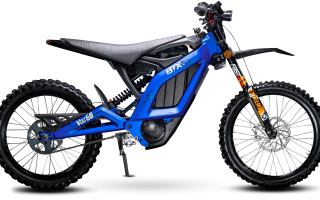
BTX Moto Volt 60
$0
|
VS
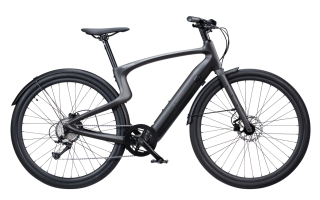
Carbon 1 Pro E-Bike
$2,199
|
||
|---|---|---|---|
| Pricing | |||
|
Price
MSRP for base model; does not include shipping or accessories.
|
-- | $2,199 Best | |
| Motor | |||
|
Motor (Nominal)
Continuous rated power; peak power may be higher.
|
6,500 W Best | 350 W | |
|
Motor (Peak)
|
-- | 750 W Best | |
| Battery | |||
|
Battery
|
2,400 Wh Best | 352 Wh | |
| Performance | |||
|
Range
Real-world range under ideal conditions; varies with terrain, rider weight, and assist level.
|
50 mi | 80 mi Best | |
|
Top Speed
|
50 mph Best | 25 mph | |
| Utility | |||
|
Weight
|
121.3 lbs | 37.0 lbs Best | |
|
Payload Capacity
|
340 lbs Best | 240 lbs | |
|
UL 2849 Electrical System
UL 2849 verifies the complete eBike electrical system (motor, controller, wiring, display, and battery integration).
|
-- | -- | |
|
UL 2271 Battery Pack
UL 2271 validates battery-pack safety, including enclosure integrity and thermal-runaway resistance.
|
-- | -- | |
|
Foldable
|
No | No | |
| Full Review → | Full Review → |
Head-to-Head Visual Comparison
Radar breakdown for 2 bikes.
Click a model below to highlight stats.
Expert Insights
🏆 Performance Leaders
Best for Power:
BTX Moto Volt 60
Best for Value:
BTX Moto Volt 60
🛠️ Technical Advantages
No category-based advantages detected.
🏁 Expert Verdict
Overall winner: Carbon 1 Pro E-Bike
| Spec | BTX Moto Volt 60 | Carbon 1 Pro E-Bike |
|---|---|---|
| Power | 10 | 0 |
| Range | 0 | 0 |
| Weight | 10 | 3 |
| Payload | 10 | 7 |
| Value | 9 | 5 |
Find My Bike
What’s your primary riding goal?
What’s your budget?
Do you regularly ride on hilly terrain?
Do you need easy portability or compact storage?
How far are your typical rides?
Unable to load matches right now. Please try again.
Smart Matches For You
🏆 20-Mile Hilly Commute Challenge
Simulated at PAS Level 3 on hilly terrain. See remaining battery after 20 miles.
Efficient (> 40%)
Cutting it close (10–39%)
Range Anxiety territory (0–9%)
Adjust Rider Weight for All Bikes
200 lbs
Carbon 1 Pro E-Bike
💡 Why do some bikes handle hills better?
You may notice that Mid-Drive motors often finish this challenge with significantly more battery remaining than Hub Motors, even with similar battery sizes. This is because Mid-Drives leverage the bike's existing gears, allowing the motor to stay in its "efficiency sweet spot" on steep climbs. Conversely, Hub Motors must work much harder at low speeds, often losing up to 25% more energy to heat when under heavy load on a hill.


